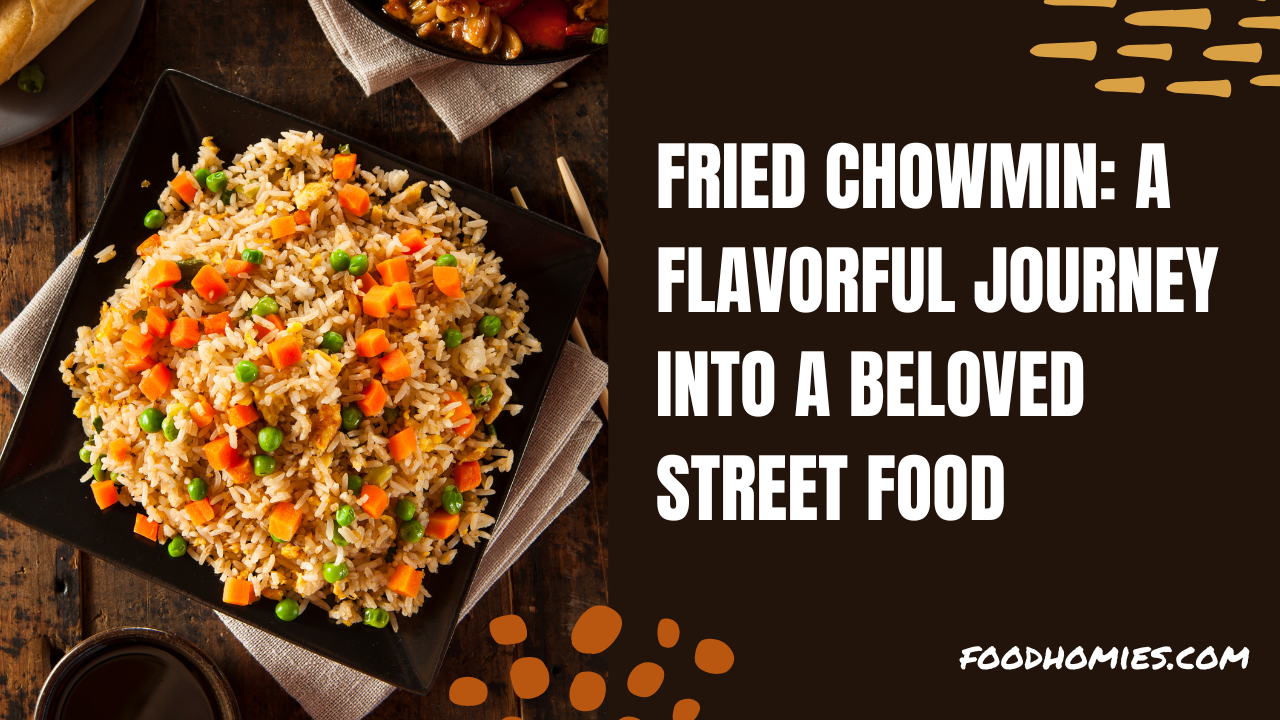
Fried chowmin isn’t just food—it’s an emotion. From sizzling street carts to cozy home kitchens, this dish has won hearts across cultures. The aroma of noodles tossed in a hot wok with sauces and vegetables is enough to make anyone hungry. It’s quick, comforting, and bursting with flavor.
Street food to home kitchens
What started as a popular street food has now become a household favorite. Whether you grab it from a roadside stall or cook it at home, fried chowmin always delivers that satisfying bite.
What Is Fried Chowmin?
Understanding chowmin
Chowmin refers to stir-fried noodles cooked with vegetables, sauces, and sometimes meat or eggs. The word comes from Chinese, meaning “fried noodles.”
Difference between fried chowmin and other noodles
Unlike soupy noodle dishes, fried chowmin is dry, smoky, and slightly crispy. The noodles are cooked separately and then stir-fried at high heat, giving them a distinct texture and taste.
Origins and Cultural Influence
Chinese roots of chowmin
Chowmin originated in China, where stir-frying noodles in a wok is a traditional cooking method. Over time, it traveled across borders.
Evolution in Indian and Asian street food
In India and other Asian countries, fried chowmin evolved with local flavors—extra spices, bold sauces, and crunchy vegetables—creating unique regional styles.
Types of Fried Chowmin
Vegetable fried chowmin
Loaded with cabbage, carrots, capsicum, and onions, this version is light yet flavorful.
Chicken fried chowmin
Juicy chicken strips add protein and richness, making it a filling meal.
Egg fried chowmin
Scrambled eggs blended into noodles create a soft, savory texture.
Mixed chowmin
A combination of vegetables, egg, and meat—perfect for those who want everything in one plate.
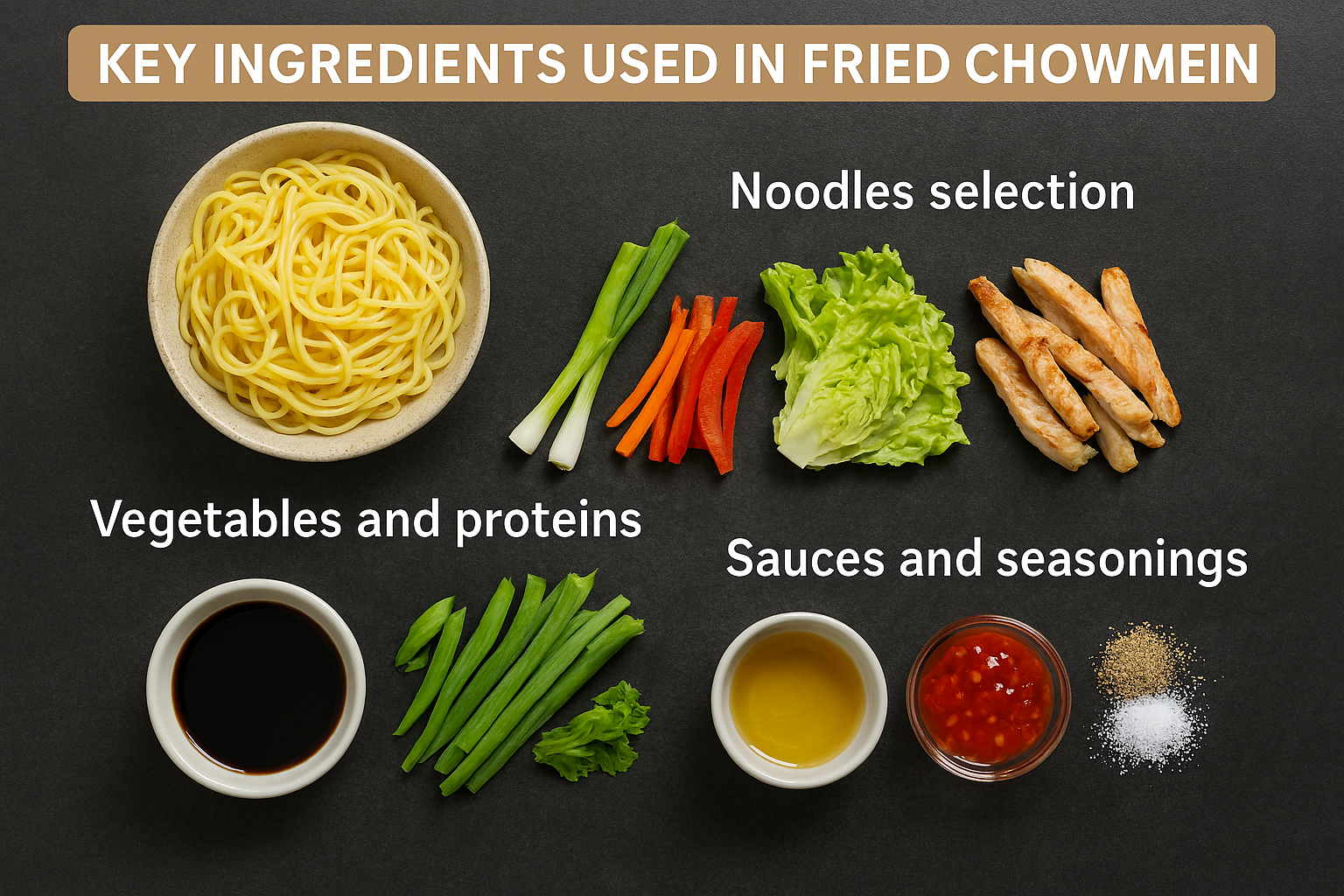
Key Ingredients Used in Fried Chowmin
Noodles selection
Chowmin noodles or hakka noodles work best. They hold sauces well and don’t break easily.
Vegetables and proteins
Cabbage, carrots, spring onions, chicken, eggs, or paneer are common choices.
Sauces and seasonings
Soy sauce, chili sauce, vinegar, garlic, and pepper form the flavor base.
Choosing the Right Noodles
Fresh vs dried noodles
Fresh noodles cook faster and feel softer, while dried noodles are more widely available and equally tasty when cooked right.
Thickness and texture
Medium-thick noodles are ideal—they don’t turn mushy and give a satisfying bite.
Preparation Basics
Boiling noodles correctly
Always boil noodles in plenty of water with a little oil and salt. Cook until just tender, then rinse with cold water.
Prepping vegetables
Cut vegetables into thin strips so they cook quickly and evenly.
Step-by-Step Fried Chowmin Cooking Process
Stir-frying technique
Use a hot wok or pan. Add oil, garlic, vegetables, noodles, and sauces—then toss quickly.
Timing and heat control
High heat and quick cooking are key. This keeps vegetables crunchy and noodles flavorful.
Secret Tips for Perfect Fried Chowmin
Getting restaurant-style flavor
Cook on high flame and don’t overcrowd the pan. Less is more.
Avoiding soggy noodles
Never overcook noodles and avoid excess sauce.
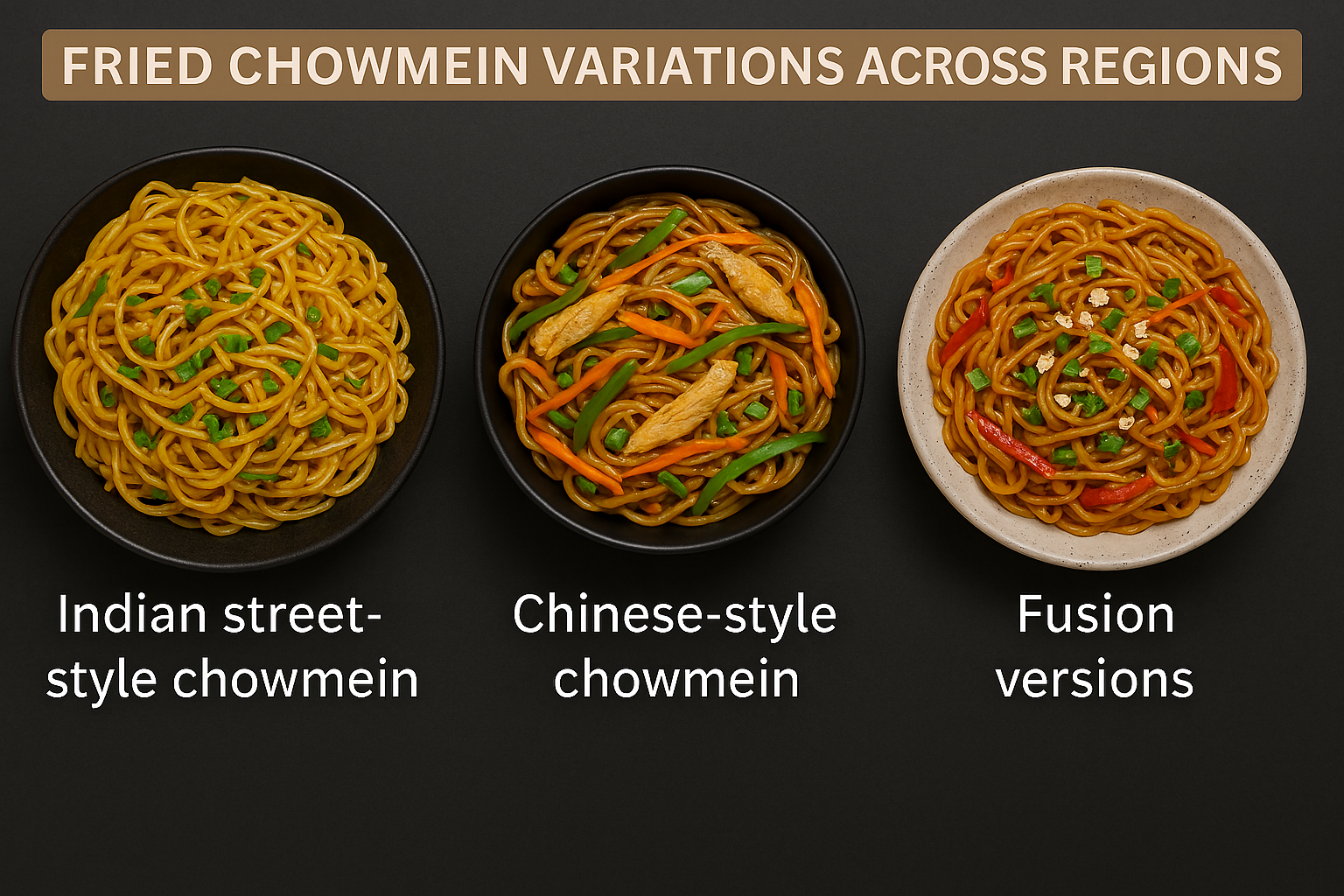
Fried Chowmin Variations Across Regions
Indian street-style chowmin
Spicy, tangy, and slightly sweet—packed with bold flavors.
Chinese-style chowmin
Lighter, smoky, and balanced with subtle seasoning.
Fusion versions
Cheese chowmin, schezwan chowmin, and even tandoori chowmin are popular twists.
Fried Chowmin as Street Food
Popularity in local markets
It’s affordable, fast, and filling—perfect for street food culture.
Why it’s a street food favorite
Quick cooking, visual appeal, and irresistible aroma make it a crowd-puller.
Nutritional Value of Fried Chowmin
Calories and macros
Fried chowmin provides carbs for energy and can include protein and fiber depending on ingredients.
Making it healthier
Use less oil, add more vegetables, and opt for whole wheat noodles.
Fried Chowmin for Home Cooking
Easy homemade version
With simple ingredients, you can recreate street-style chowmin at home in 20 minutes.
Cooking for beginners
It’s forgiving and flexible—perfect for new cooks.
Common Mistakes to Avoid
Overcooking noodles
This leads to mushy chowmin—always cook al dente.
Using too much sauce
Too much sauce can overpower flavors and ruin texture.
Serving Suggestions
Best side dishes
Serve with chili sauce, manchurian, or spring rolls.
Presentation tips
Top with fresh spring onions and serve hot for best taste.
Why Fried Chowmin Never Goes Out of Style
Comfort food factor
It’s warm, familiar, and satisfying—like a hug in a bowl.
Versatility and taste
You can customize it endlessly, yet it always tastes amazing.
Conclusion
Fried chowmin is more than just noodles—it’s a global comfort food that brings together flavor, simplicity, and nostalgia. Whether enjoyed from a street cart or cooked at home, it remains a timeless favorite that never fails to delight.
Frequently Asked Questions